

프레스 브레이크 톤수 계산기: 자유 공기 굽힘 도구
Free engineering tool
Calculate Your Press Brake Tonnage
V-다이 공기 굴절력 추정, 그렇다면 실용적인 기계 용량 권고사항을 참고하세요.
Machine selection support
적절한 프레스 브레이크 고르는 데 도움이 필요해?
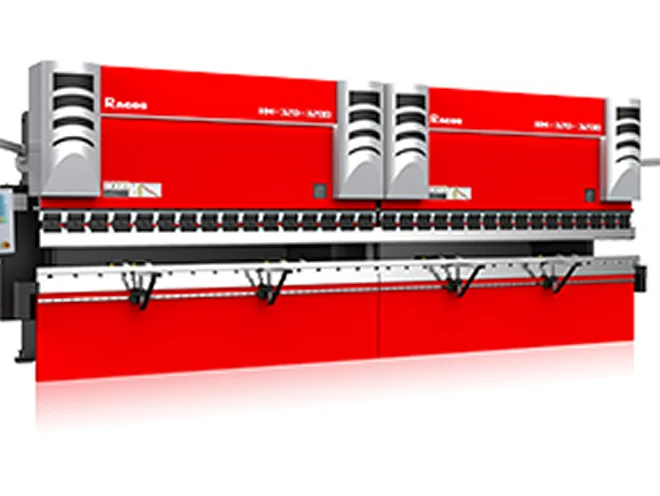
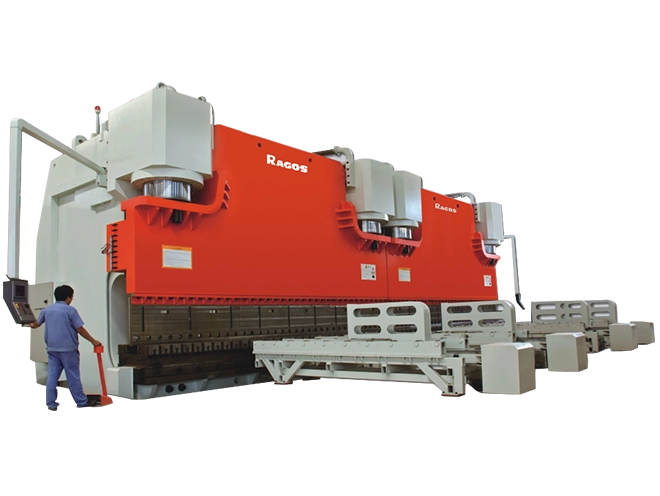
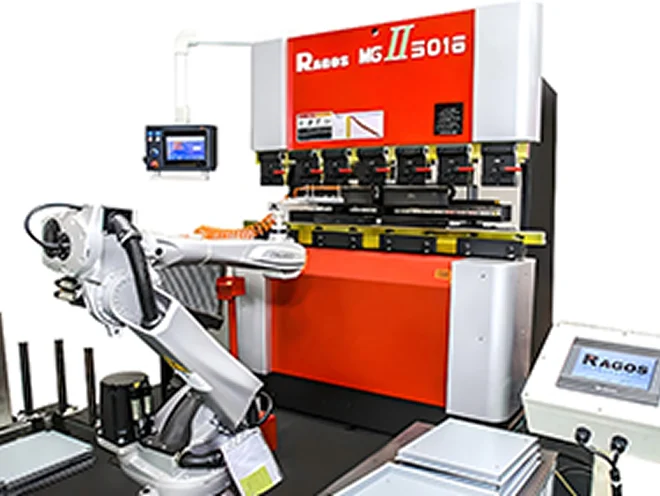
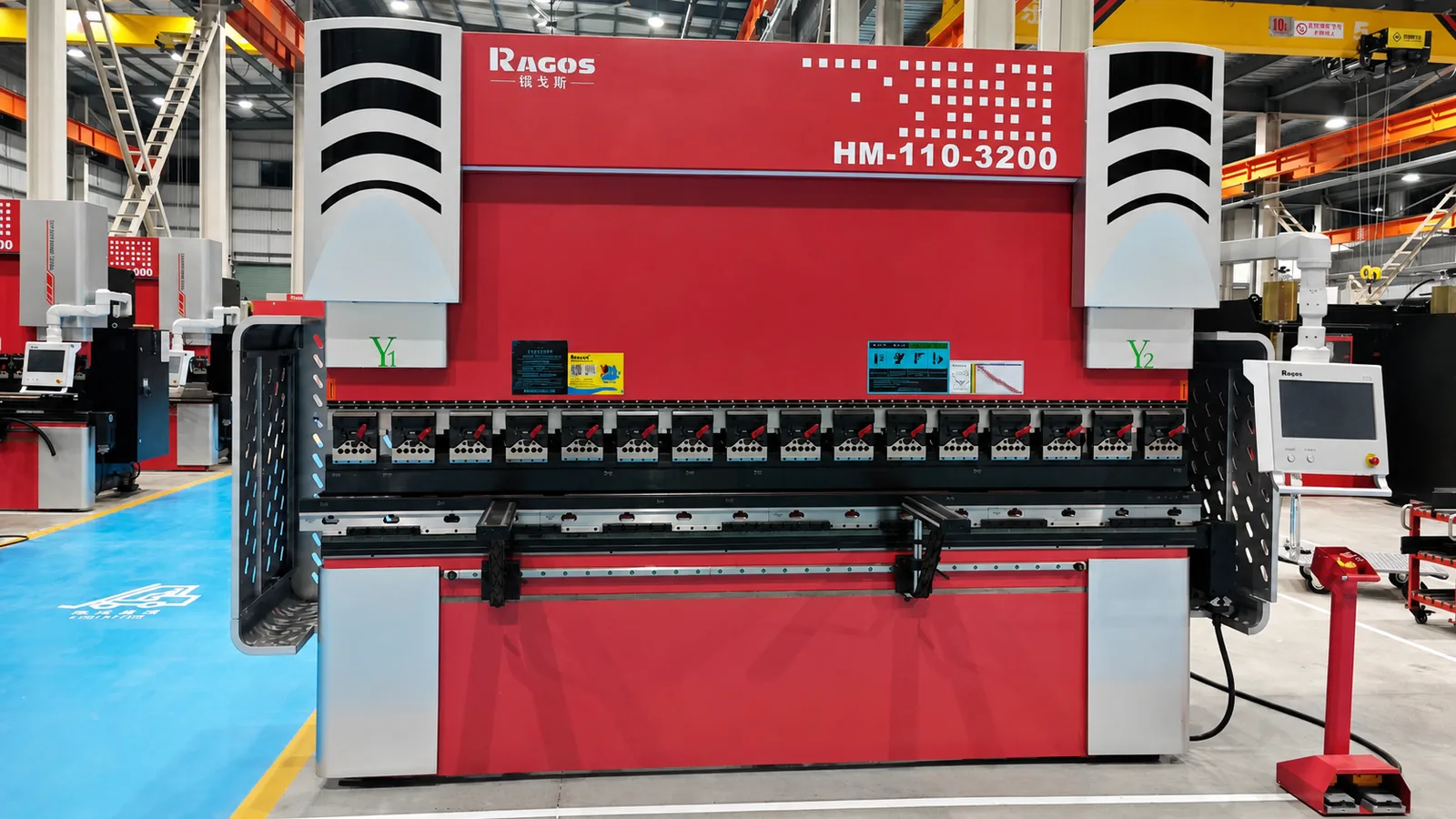
JS RAGOS는 판금 굽힘 용도용 CNC 프레스 브레이크를 제조합니다. 저희 팀이 귀하의 도면을 검토해 드립니다, 자료, 굽힘 길이, 공구 및 생산 요구사항.
부품 세부사항과 계산된 톤수를 보내 실용적인 기계 및 공구 추천을 받으세요.
Free engineering tool
Calculate Your Press Brake Tonnage
V-다이 공기 굴절력 추정, 그렇다면 실용적인 기계 용량 권고사항을 참고하세요.
Machine selection support
적절한 프레스 브레이크 고르는 데 도움이 필요해?
JS RAGOS는 판금 굽힘 용도용 CNC 프레스 브레이크를 제조합니다. 저희 팀이 귀하의 도면을 검토해 드립니다, 자료, 굽힘 길이, 공구 및 생산 요구사항.
부품 세부사항과 계산된 톤수를 보내 실용적인 기계 및 공구 추천을 받으세요.
프레스 브레이크를 명목 톤수만으로 선택하면 공구 과부하가 발생할 수 있습니다, 굽힘 정확도가 낮아, 또는 불필요한 기계 비용. 이 계산기는 V-다이 에어 벤딩에 필요한 힘을 추정한 후 선택 가능한 용량 여유를 추가합니다. 이제 자료가 등장한다, 굽힘 길이, 시트 두께와 표적 각도. 고급 설정에서는 숙련된 사용자가 인장 강도를 변경할 수 있습니다, V자 개방, 펀치 반경과 안전 마진.
Press Brake Tonnage by Material and Thickness
| 두께 | V자 개방 | Aluminium 250 MPa | 연강 450 MPa | 스테인리스 600 MPa |
|---|---|---|---|---|
| 1 mm | 6 mm | 5.7 t | 10.2 t | 13.6 t |
| 2 mm | 12 mm | 11.3 t | 20.3 t | 27.1 t |
| 3 mm | 25 mm | 12.2 t | 22.0 t | 29.3 t |
| 4 mm | 32 mm | 17.0 t | 30.5 t | 40.7 t |
| 6 mm | 50 mm | 24.4 t | 43.9 t | 58.6 t |
예비 에어벤딩 추정치만. 실제 인장 강도와 공구 선택에 따라 필요한 힘이 달라질 수 있습니다.
How V-Die Opening Changes Required Tonnage
| V자 개방 | Estimated force | Indicative inside radius | Estimated minimum flange |
|---|---|---|---|
| 24 mm | 40.7 t | 3.84 mm | 14.97 mm |
| 32 mm | 30.5 t | 5.12 mm | 20.63 mm |
| 40 mm | 24.4 t | 6.40 mm | 26.28 mm |
| 50 mm | 19.5 t | 8.00 음 | 33.36 mm |
더 넓은 V자 개방은 힘을 줄이지만, 기대되는 내부 반경과 플랜지 요구량을 증가시킵니다. 선택한 다이와 부품 기하학을 확인하세요.
How to use the press brake tonnage calculator
- 자료 선택. 연강, 스테인리스강과 알루미늄은 실용적으로 기본 인장 강도 값을 포함합니다. 고강도 또는 맞춤형 소재를 위한 경우, 재료 증명서의 가치를 입력하세요.
- 총 굽힘 길이와 판 두께를 입력하면 됩니다. 실제 굽은 길이를 한 번에 사용하세요, 전체 빈칸 크기가 아니라요.
- 목표물을 안쪽 각도로 입력하세요. 각도는 금형 사용 가능성을 확인한다; 표준 공기 굴절 힘 방정식은 주로 강도에 의해 제어됩니다, 두께, 굽힘 길이와 다이 오프닝.
- 자동으로 선택된 V-다이 오프닝을 검토하세요. 공구 계획에 따라 다른 개구부가 필요할 때 고급 설정에서 오버라이드할 수 있습니다.
- 필요한 힘을 권장 기계 용량과 계산하고 비교하세요. 생산 전에 기계 및 공구 제조업체와 결과를 확인하세요.
Air-bending tonnage formula
계산기는 일반적인 V-다이 에어-벤딩 관계를 사용합니다:
힘 (kN) = 1.33 × 굽힘 길이 (m) × 두께² (음) × 인장 강도 (MPa) ÷ V자 개방 (음)
이로 인해 주요 관계가 이해하기 쉽습니다: 힘은 굽힘 길이와 재료 강도에 비례하여 증가합니다, 두께의 제곱에 따라 상승한다., V자 개구부가 넓어지면서 떨어집니다. 따라서 판재 두께가 조금만 증가해도 필요한 톤수에 큰 영향을 미칩니다.
How the recommended V-opening is selected
실용적인 출발점으로요, 계산기는 두께 배수를 사용해 표준 다이 오프닝을 선택합니다. 2.6 mm 미만의 두께는 약 6× 정도 사용된다, 8× 2.6 mm에서 8 mm 이하까지, 10× 8mm에서 10mm 이하까지, 10mm 이상에서는 12×. 결과는 사용 가능한 표준 오프닝으로 반올림됩니다. 이것이 안내입니다, 금형 승인이 아닙니다: 플랜지 크기, 원하는 내부 반경, 입자 방향, 표면 상태와 공구 용량은 다른 선택을 요구할 수 있습니다.
더 넓은 V형 개방은 무게를 줄이고 보통 더 큰 내부 반경을 만듭니다. 좁은 V-개구는 톤수를 증가시키고 플랜지를 더 작게 만들 수 있습니다, 하지만 펀치에 국부적인 스트레스를 증가시킵니다, 다이와 워크피스. 우리의 die-opening and tonnage guide 자세한 내용은.
작동 예제: 1미터 길이의 2mm 연강
인장 강도 450 MPa의 2mm 연강에 대해, A 1,000 mm 굽힘 길이와 12mm 자동 선택 V-오프닝, 추정 힘은 약 199.5 kN입니다, 또는 20.3미터톤. 기본 15% 용량 마진을 더하면 23.4톤이 됩니다, 그래서 계산기가 다음에 나열된 기계 크기를 추천합니다: 40미터톤. 이 마진은 공구나 기계의 정격 용량을 초과하는 허가가 아닙니다.
작동 예제: 스테인리스 스틸은 더 많은 힘이 필요합니다
같은 2mm 두께를 사용했습니다, 1,000 mm 굽힘 길이와 12 mm V-개방, 하지만 600MPa의 스테인리스강으로 재료를 교체하는 방식이 적용되었습니다, 추정치는 약 266명으로 올라갑니다.0 kN, 또는 27.1미터톤. 15% 차이로, 요구 용량은 약 31.2톤으로 되어 역시 40톤 용량에 부합합니다. 실제 스테인리스 등급은 다양합니다, 따라서 정확도가 중요할 때는 프리셋을 인증된 인장 강도로 교체하세요.
어떤 기계 용량을 선택해야 할까요?
결과 패널은 계산된 굽힘과 권장 정격 용량을 분리합니다. 후자는 선택한 마진을 적용하고 반올림하여 공통 기계 크기로 상향 조정합니다. 제작 선정 시 침대 길이도 고려해야 합니다, 일광, 뇌졸중, 목구멍 깊이, 램과 베드 편향, 중심에서 벗어난 하중 한계, 미터당 공구 부하와 가장 까다로운 미래 부품. 우리의 웹사이트를 둘러보세요 CNC 프레스 브레이크, electric press brakes 그리고 heavy-duty press brakes, 또는 send the part drawing to Ragos 기계 및 공구 추천을 위해.
Important engineering limits
이 도구는 직선 V-다이 에어 벤딩의 예비 추정치입니다. 바닥 계산은 하지 않습니다, 조성, 헤밍, 반경 공구, 다중 벤드 금형, 오프셋 공구 또는 비균일한 하중 사례. 또한 모든 배치별 재료 변동을 모두 반영할 수 없습니다, 스프링백, 작업 경화 또는 로컬 머신 리밋. 고강도강, 두꺼운 판, 매우 예리하거나 열린 각도, 짧은 플랜지와 특이한 반경 요구사항은 엔지니어링 검토가 필요합니다. 계산기 결과를 기계의 하부 값보다 초과하지 마세요, 펀치, 다이 또는 어댑터 등급.
Frequently asked questions
프레스 브레이크 톤수는 얼마나 필요해요?
여기서 재료 강도가 등장합니다, 판 두께, 굽기 길이와 V자 개방. 계산기는 공기 굴절력을 추정합니다, 선택한 마진을 더해 표시된 기계 용량으로 반올림합니다. 최종 선택은 금형 및 기계 부하 제한도 충족해야 합니다.
굽힘 각도가 필요한 톤수를 바꾸나요??
표준 V-다이 에어 벤딩을 위한, 재료 강도, 두께, 굽힘 길이와 V-개방이 힘 추정치에서 지배적입니다. 각도는 여전히 금형 기하학에 중요합니다, 스프링백과 타당성, 그래서 계산기가 이를 확인하고 비정상적인 범위에 대한 경고를 표시합니다.
왜 더 넓은 V-다이 개구부가 톤수를 줄이는지?
더 넓은 개구부는 굽힐 때 더 큰 레버암을 제공합니다, 그래서 필요한 힘이 적습니다. 일반적으로 내부 반경과 최소 플랜지 요구량을 증가시킵니다, 따라서 톤수는 부품 기하학과 분리하여 고려할 수 없습니다.
이 계산기를 바닥 계산이나 코인 계산에 사용할 수 있나요??
아니요. 바닥 하위와 코인 조성은 서로 다른 힘 가정을 사용하며, 상당히 더 많은 톤수를 요구할 수 있습니다. 그 방법은 엔지니어링 리뷰 공지를 보려면 선택해야 합니다, 그 후 기계 및 공구 공급업체와 상담하세요.
계산된 톤수가 보장되나요??
아니요. 입력된 값과 공통 공기 굽힘 방정식을 바탕으로 추정치입니다. 실제 자재 증명서를 확인하세요, 공구 차트, 미터당 허용 하중, 생산 전 기계 매뉴얼과 테스트 벤드.