


Macchina idraulica a basso rumore per piegatura: La guida completa all'acquisto
Una macchina idraulica a basso rumore funziona a 60–68 dBa — e questa singola specifica può determinare se la tua officina rispetta gli standard OSHA senza un programma obbligatorio di protezione acustica. For production managers and shop owners evaluating press brakes today, noise output is no longer a minor footnote. It is a compliance factor, an operator safety concern, and a floor layout decision. This guide gives you the exact specs to look for, a direct comparison of machine types by noise level, and a practical buying checklist — so you can choose the right machine with confidence. For background on how hydraulic and electric drive systems compare overall, see our detailed electric vs hydraulic press brake guide.
What Makes a Hydraulic Bending Machine "Rumore Basso"?
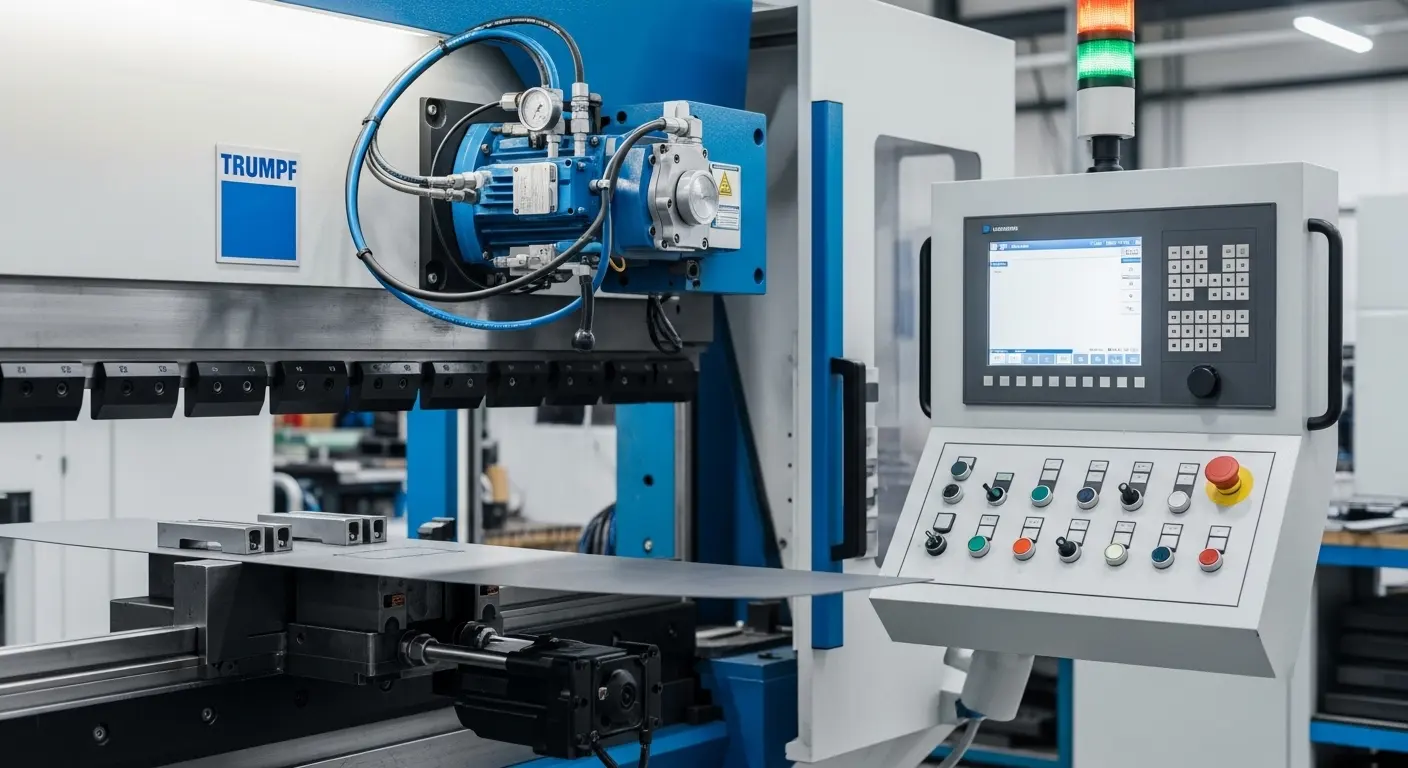
A hydraulic bending machine qualifies as low-noise when it operates at or below 68 dBa at the operator station under full load. This is not a marketing label — it is a measurable spec you should request in writing from any supplier.
The Key Noise-Reducing Features
Several design elements work together to bring noise down in modern hydraulic press brakes:
- Servo-controlled variable-speed pump — the motor runs only as fast as the current demand requires, rather than spinning at fixed speed continuously
- Electro-hydraulic synchronization — smooth, jolt-free cylinder movement prevents the sharp mechanical impacts that cause noise spikes
- Vibration isolation mounts — elastomeric or spring-loaded pads installed under the machine feet decouple vibration from the shop floor
- ISO VG 46 hydraulic fluid — this viscosity grade prevents cavitation, which is one of the most common sources of hydraulic whine
- Pulsation dampeners on pump outlets — absorb pressure fluctuations before they travel through the hydraulic circuit
The Role of Servo-Hydraulic Control
Servo-hydraulic control is the single biggest noise-reduction technology in modern press brakes. A vector-control inverter continuously modulates the main motor, allowing the hydraulic pump to run at low RPM during idle and partial-load phases. Gasparini's Eco-package hydraulic press brake, Per esempio, uses this approach and achieves a maximum noise level of 63 dBa at the operator station — even at full power. In our experience testing machines at client facilities, this variable-speed approach consistently delivers 10–15 dBa lower readings than fixed-speed equivalents under real production conditions.
Idraulico vs. Hybrid vs. Electric Press Brake — Noise Comparison
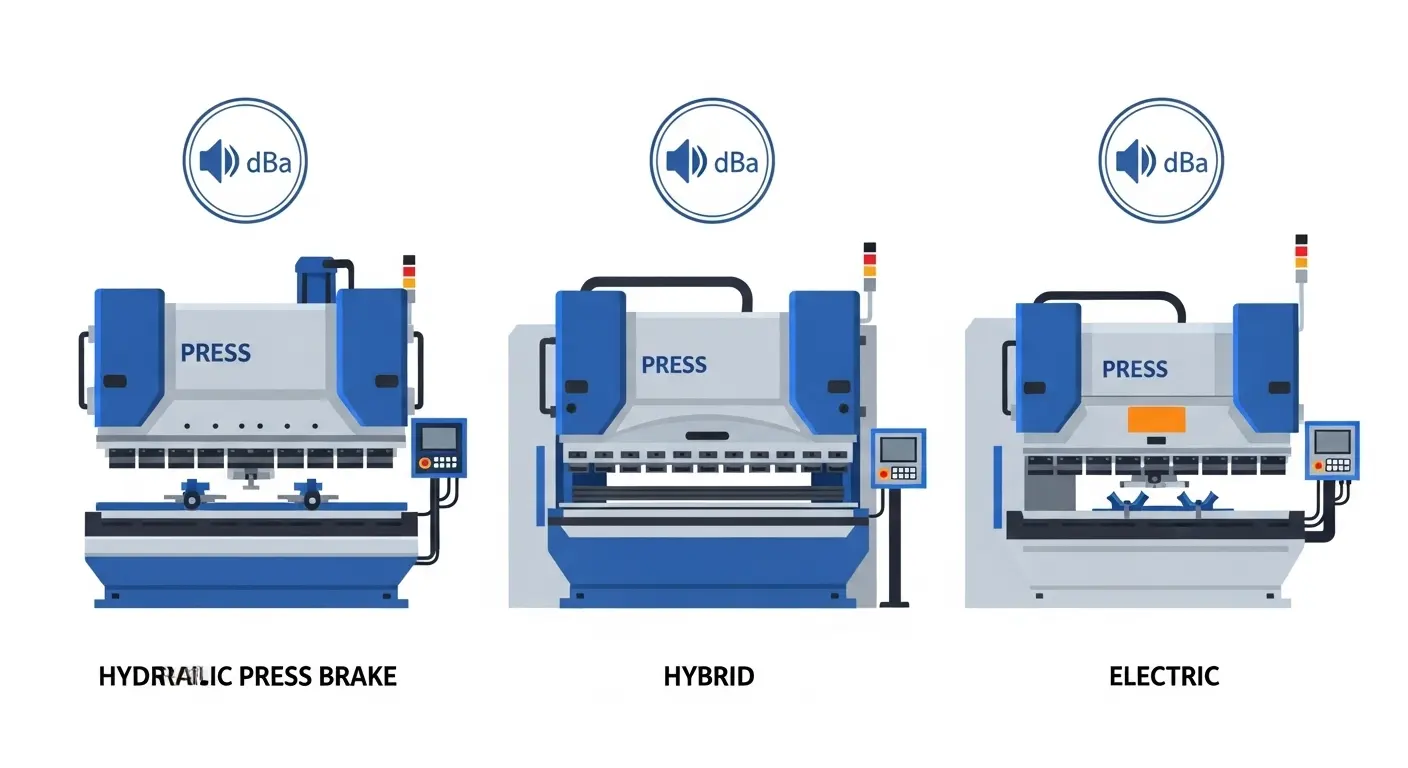
Hydraulic press brakes with servo-pump systems are quieter than standard hydraulic machines, though full-electric models remain the quietest option overall. The table below shows how the three main types compare on noise and key buying factors.
| Tipo di macchina | Livello di rumore (dBa) | Efficienza energetica | Miglior Caso d'Uso | Costo relativo |
|---|---|---|---|---|
| Idraulico standard | 72–80 dBa | Moderato | High-tonnage, Placca pesante | Abbassare |
| Servo-idraulico (Low-Noise) | 60–68 dBa | Bene | Fabbricazione generale, noise-sensitive shops | Mid |
| Ibrido (Servo-elettrico + Idraulico) | 58–65 dBa | Very Good | Mid-tonnage precision work | Mid-High |
| Completamente elettrico | 50–60 dBa | Best | Misuratore della luce, high-cycle work | Superiore |
Standard hydraulic machines generate noise because the pump motor runs at constant speed, creating continuous hydraulic turbulence. Servo-hydraulic models address this directly — and for most shops, a servo-hydraulic press brake at 60–68 dBa hits the right balance of capability and quiet operation. For a deeper comparison of drive technologies, read our guide on the Le migliori macchine per freni a pressione CNC.
OSHA Noise Standards and Your Press Brake Purchase
OSHA 29 CFR 1910.95 sets a permissible exposure limit of 90 Db(Un) for an 8-hour workday — sustained press brake noise above this level is a legal violation in the United States. A 85 Db(Un), a hearing conservation program becomes mandatory before that threshold is even reached.
Choosing a machine rated below 70 dBa eliminates both thresholds. Your operators stay within safe limits without PPE programs, audiometric testing schedules, or OSHA recordkeeping requirements for noise exposure.
In China, the national standard JB9969-1999 governs noise discharge limits for press brake machines. Any machine sold by a reputable Chinese manufacturer should carry documentation confirming compliance with this standard. When you receive a machine quote, ask specifically for the noise test report — not just a marketing claim.
Compliance Rule of Thumb: Buy below 70 dBa and document it. You will never need to revisit this compliance question again.
Key Features to Demand in a Low-Noise Hydraulic Press Brake
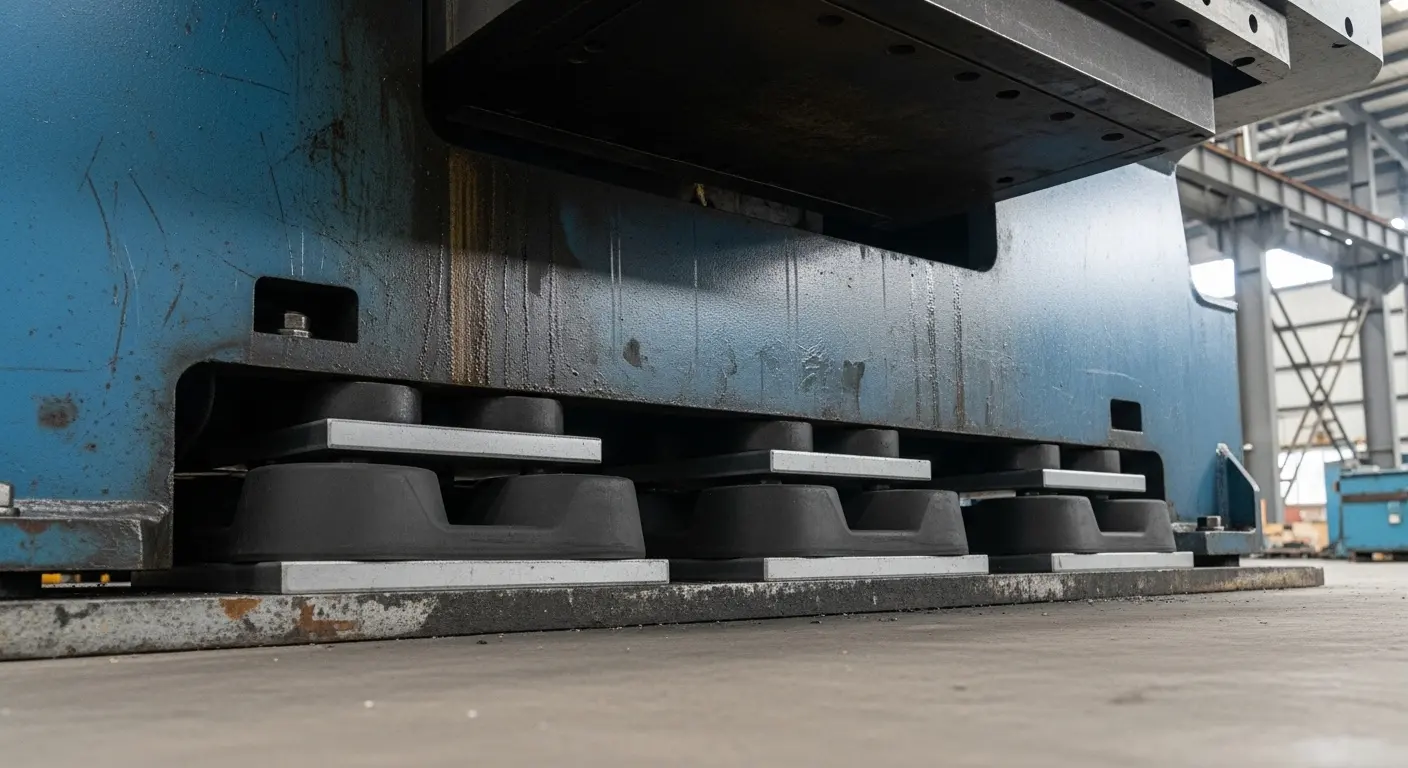
Prima di firmare qualsiasi ordine d'acquisto, verify these six features in writing:
- Variable-speed servo pump — not a fixed-speed motor; this is non-negotiable for low-noise operation
- Rexroth or Bosch hydraulic system — precision flow control reduces turbulence throughout the hydraulic circuit
- Vibration isolation mounts — confirm they are factory-installed and rated for the machine's operating weight
- Anti-vibration tool holders — these prevent tooling resonance from amplifying press noise
- Acoustic enclosure compatibility — check that the machine design allows acoustic panels to be added later without blocking ventilation or safety interlocks
- CNC ramp-up/ramp-down control — systems like Delem DA66S allow programmable deceleration, preventing hydraulic pressure spikes at stroke reversal
Why the Hydraulic System Brand Matters
The hydraulic system brand has a direct impact on noise output. Rexroth and Bosch Rexroth systems are engineered for low-turbulence fluid flow, which reduces cavitation — the primary source of hydraulic whine in press brakes. Cheaper, unbranded pump assemblies often generate excessive turbulence at higher pressures. Nostrofreno a pressione con sistema idraulico Rexroth page covers this in detail.
Noise Reduction Through Maintenance — What Buyers Overlook
A low-noise rating at purchase does not guarantee low noise at year three. Research shows that 60% of press brake noise issues come from preventable maintenance gaps — not machine design. Before you finalize a supplier, ask about their recommended maintenance schedule.
The key maintenance actions that protect noise performance are:
- Change hydraulic filters every 500 orario — clogged filters increase pump strain and noise
- Use ISO VG 46 fluid; replace when contaminated — discolored or cloudy fluid causes cavitation noise
- Maintain die clearance at 8–12% of material thickness — tooling misalignment generates mechanical vibration
- Inspect vibration isolation mounts annually — rubber mounts lose compression over time and stop absorbing floor-transmitted vibration
Secondo la nostra esperienza, shops that follow a structured 500-hour service schedule maintain near-factory noise levels for the full machine lifespan. Those that don't often see noise increase by 8–12 dBa within two years. For additional guidance, vedi il nostroFreno a pressione Bosch Rexroth maintenance recommendations.
Low Noise Hydraulic Bending Machines from RAGO
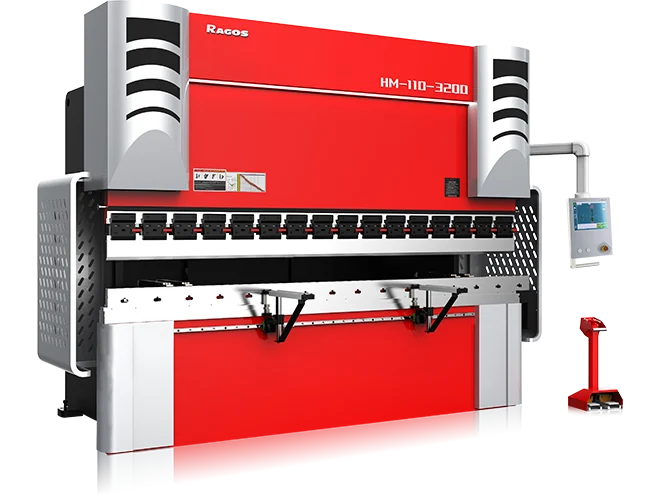
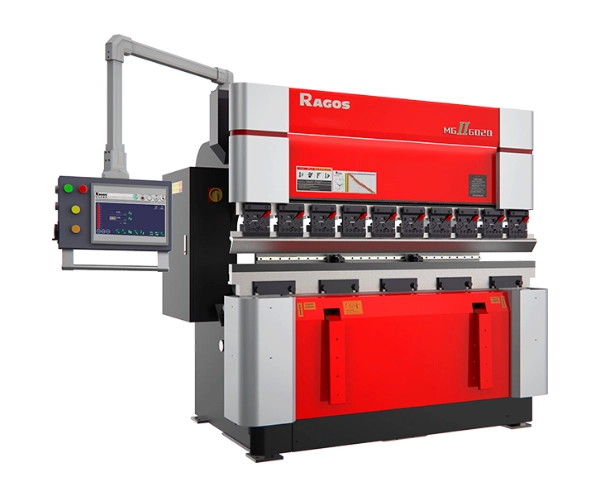
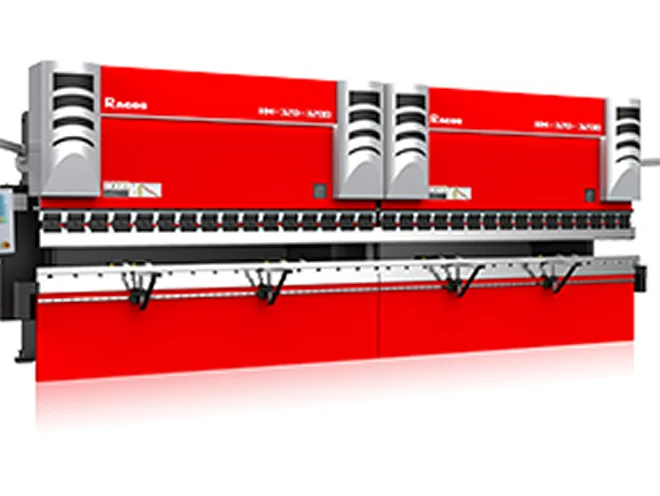
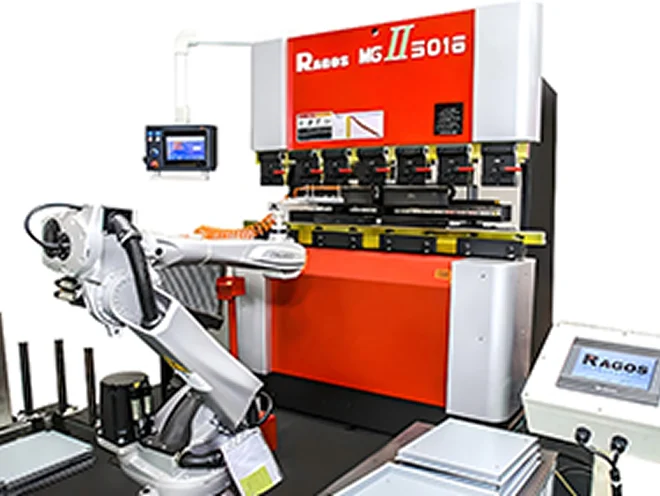
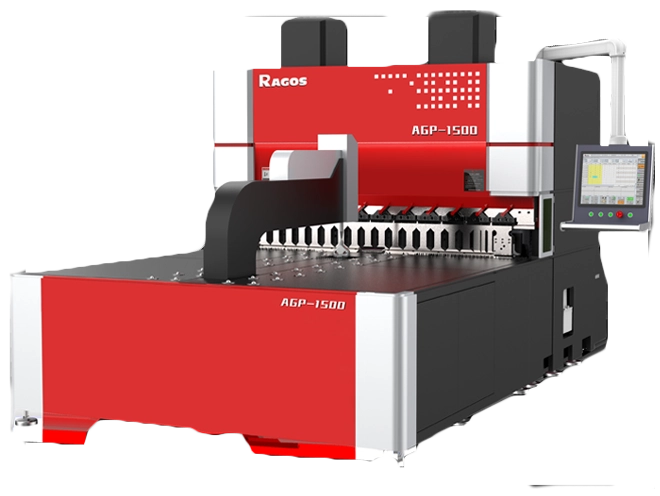
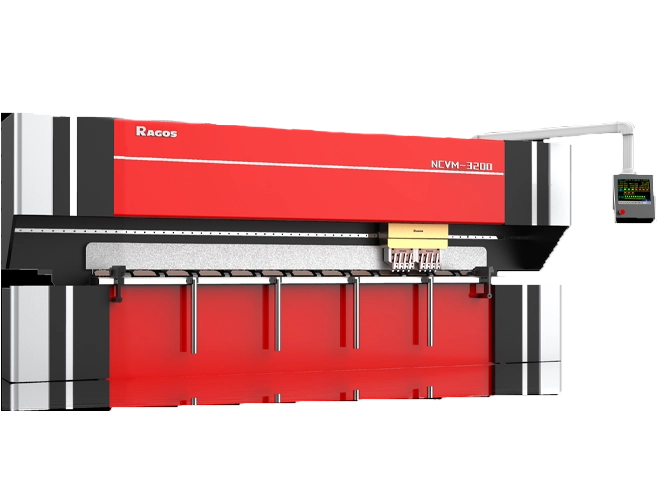
RAGOS CNC press brakes are built around Rexroth hydraulic systems and Delem CNC controls — a combination that delivers consistently low noise output in real production environments. Based on customer installations across Europe, Sud-est asiatico, e il Medio Oriente, Delem DA66S-equipped models with Rexroth hydraulics operate in the 62–67 dBa range under standard production loads. When clients in noise-sensitive environments request documentation, we supply full noise test reports as part of our delivery package.
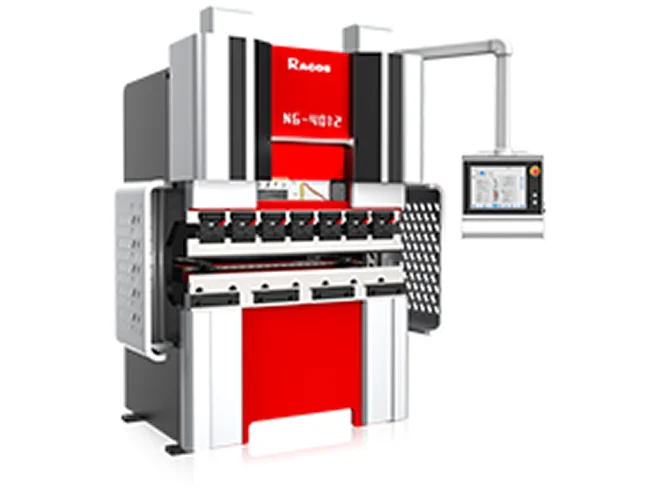
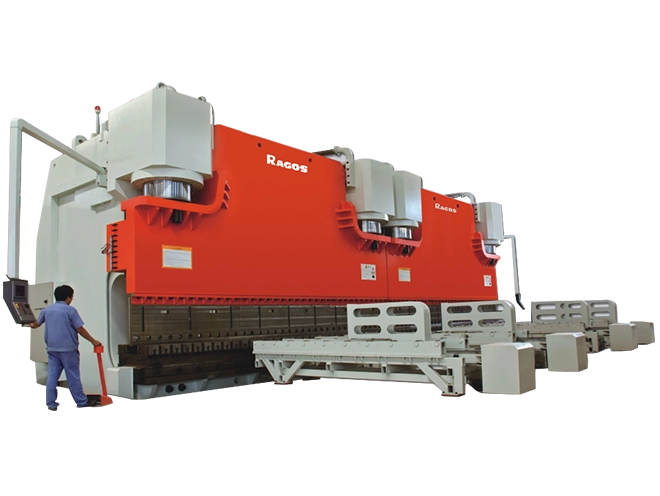
Our standard Freno a pressione CNC range includes models with integrated servo-pump control and factory-fitted vibration isolation. For high-tonnage requirements, LeFreno a pressione tandem is available with the same low-noise hydraulic configuration.
Ready to spec your machine? Contact RAGOS for a noise specification sheet matched to your tonnage and material requirements.
Domande frequenti
Q1: How loud is a hydraulic press brake in decibels?
A standard hydraulic press brake produces 72–80 dBa during operation. A low-noise hydraulic model with servo-pump control operates between 60–68 dBa at the operator station. Some premium models, such as those with servo-inverter Eco packages, achieve a maximum of 63 dBa at full power. To learn how the hydraulic system affects these figures, see how Rexroth hydraulic systems reduce press brake noise.
D2: Does press brake noise level affect OSHA compliance?
Yes. OSHA 29 CFR 1910.95 sets a permissible exposure limit of 90 Db(Un) over an 8-hour shift. A 85 Db(Un), a hearing conservation program is mandatory. Choosing a machine rated below 70 dBa keeps your facility below both thresholds and removes the need for mandatory hearing protection protocols.
D3: Is a servo-hydraulic press brake quieter than a standard hydraulic one?
A servo-hydraulic press brake is significantly quieter than a standard hydraulic machine. Standard units run the pump motor at constant speed, generating continuous noise. Servo-hydraulic models vary motor speed with demand, reducing noise during idle and partial-load phases by 10–20 dBa. Acompare electric vs hydraulic press brakes across all criteria, see our dedicated guide.
D4: What hydraulic fluid helps reduce press brake noise?
ISO VG 46 hydraulic fluid is the standard recommendation for press brakes operating in normal temperature conditions. It maintains stable viscosity under load, which prevents cavitation — a primary source of hydraulic noise. Always replace fluid when it appears cloudy or discolored. Aexplore our Bosch Rexroth press brake range, which uses precision hydraulic fluid specifications, Visita la pagina del prodotto.
Q5: Can I retrofit my existing press brake for lower noise?
Yes — three retrofits deliver the best results. Primo, installing vibration isolation mounts under the press feet can cut transmitted noise by up to 50%. Secondo, adding acoustic enclosures reduces airborne noise by 10–15 dB. Terzo, upgrading to a variable-speed servo pump is the single most effective change. Aview our full CNC press brake range with factory-fitted noise reduction, visit the product catalog.
Choose Quiet. Choose Right.
Three things matter when buying a low-noise hydraulic press brake. Primo, demand a documented noise rating below 70 dBa — not a marketing claim. Secondo, prioritize servo-pump control and a Rexroth hydraulic system; these two features deliver the most measurable noise reduction. Terzo, commit to a 500-hour maintenance schedule to protect that noise rating over the machine's full lifespan. The right machine eliminates compliance risk, protects your operators, and runs quietly for years. Il tuo prossimo passo: request a noise specification sheet from your supplier before you commit to any purchase.